When Adopted Children Ask About Their Birth Families
Celebrating Adoption While Honoring the Whole Story
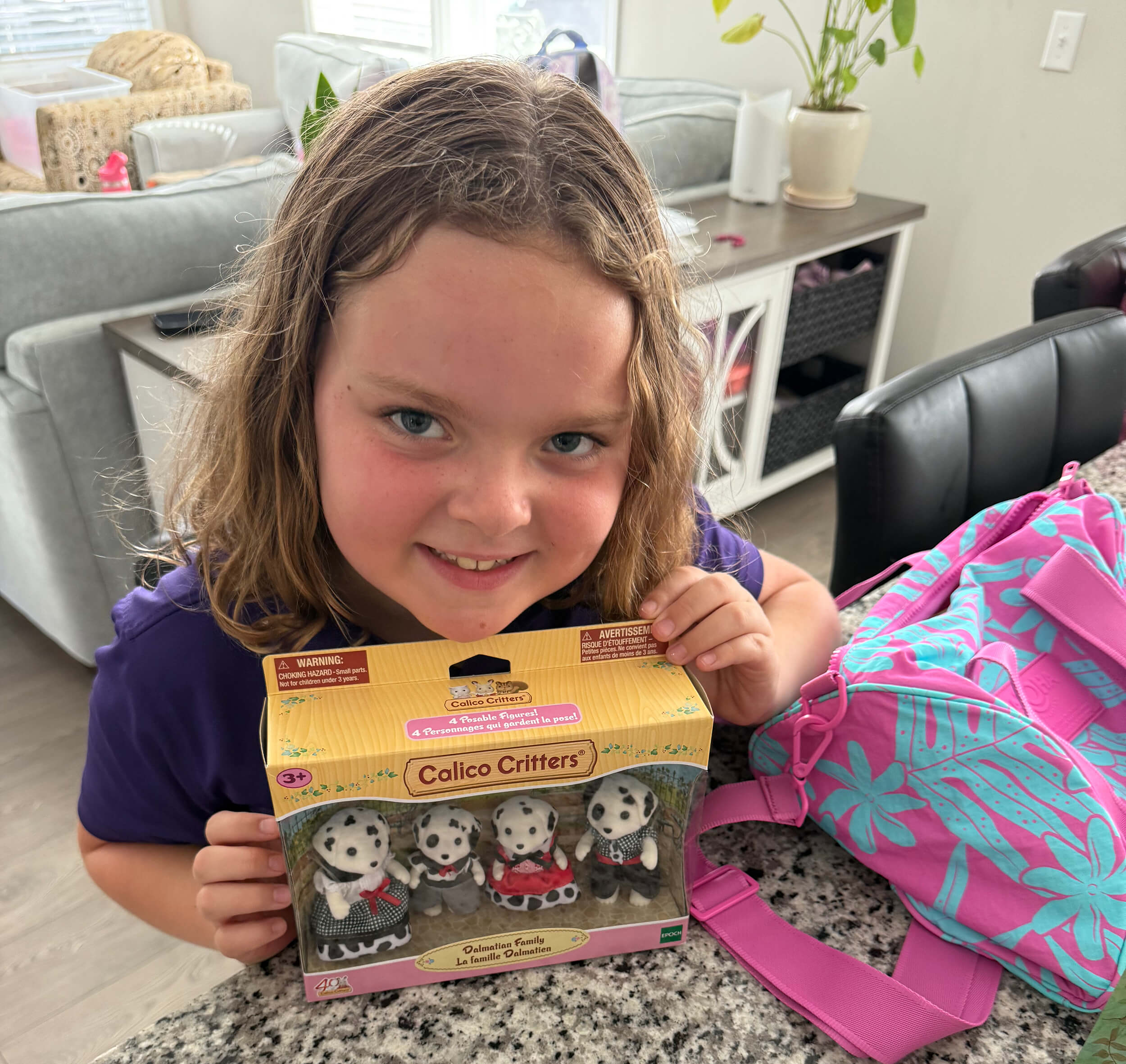
Two very special days we celebrate each year in our house are September 3 and July 1. Those are the days our adoptions of Chloe and Hailie were finalized, Chloe’s in 2020 and Hailie’s in 2025.
Baby Tree is Now Available!

Discover the heartwarming tale of Baby Tree, perfect for children who have come into foster care early in their lives. This inspiring story offers hope and support to foster and adopted children, their caregivers, and any child dealing with loss, reminding them that God has a plan for their future. Click to buy and inspire young readers with a message of love, resilience, and community!
On those days, we celebrate with gratitude for the privilege of being their parents and for the journeys that brought each of our girls into our family. We make their favorite meals, choose small gifts, spend time together, and remind them that their place in our family is cherished. Their adoption days are joyful milestones, and we want them to know that those days matter to us.
At the same time, we do not want celebration to erase the rest of their stories.
Every child who is adopted has a story that began before adoption. Their story may include birth parents, birth siblings, foster care, separation, memories, unanswered questions, love, loss, and relationships that may change over time. Some parts of that story may feel joyful, and some may bring pain as a child gets older and understands more.
As parents, we are learning that celebrating adoption and honoring those harder parts are not opposites. We can be deeply grateful that our girls are our daughters while also recognizing that adoption began with loss. Our family celebrates the day the girls became legally permanent while making room for the people, relationships, and questions that remain part of who they are.
We may not always know exactly what our girls will feel as they grow. But we want them to know this: they never have to hide their questions, protect our feelings, or choose between loving their birth family and loving ours. Every part of their story is welcome here.
But adoption anniversaries can also be a reminder that every child’s story has many parts.
When adopted children ask about their birth families, those questions can bring up emotions for both children and parents. For children, questions about birth parents, siblings, adoption, and their history are often a natural part of understanding who they are. For parents, knowing how to respond with honesty, compassion, and age-appropriate information can sometimes feel challenging.
Here are some of the things we’ve learned along the way.
Table of Contents
- Adoption, Birth Families, and the Questions That Come With Them
- What to Say When Adopted Children Ask About Their Birth Families
- How to Respond When Your Child Has Questions About Adoption
- Keep Answers Age Appropriate
- Reassure and Revisit
- Every Part of Their Story Matters
Adoption, Birth Families, and the Questions That Come With Them
Birth Sibling Relationships Matter
Both Chloe and Hailie have birth-family connections that are important parts of their stories.
Chloe has three half-siblings. When she was younger, she had opportunities to build meaningful relationships with them, including memories of time spent together and even a sleepover with one sibling. As the children got older, their family moved, and later our family moved out of state, staying connected became more difficult. The connection we once had was lost over time, but we continue to make space for Chloe’s siblings in conversation and encourage her to write to them.
Hailie has a biological brother who was adopted by his great-aunt and great-uncle. We are grateful that the children have been able to know one another and spend time together. When we lived closer, they were able to see each other regularly, and we were able to see him again this past summer.
The details of sibling relationships can look very different from one child to another. Contact may be regular, occasional, long-distance, or interrupted by circumstances beyond anyone’s control. But we want both of our girls to know that their siblings matter. They are part of their histories, part of their identities, and part of the stories our girls carry with them.
When possible and appropriate, we can help preserve those connections through visits, letters, photographs, stories, and simple conversations. Even when connection is difficult, we can communicate something important to our children: your siblings are not forgotten here.
Every Foster and Adoptive Family Has a Story
Every foster and adoptive family has a different story. Some families have ongoing contact with birth relatives; others have limited information or no contact at all. Some children remember their time before adoption, while others were placed with their adoptive families as babies. No two stories look exactly alike.
Our family’s story has included both goodbyes and forever changes. If you are new here, or if you would like to know more about the path that brought us to adoption, you can read about our 10-year foster care journey. It includes some of the children who came into our home, the goodbyes we experienced, and the foster care relationships that eventually became the adoptions of first Chloe and then 5 years later, Hailie.
I also share with Chloe that I did not meet my own biological father until I was 42 years old. That experience has taught me that some questions take time, some answers arrive later than we expect, and some parts of a family story continue unfolding across a lifetime. I believe God’s timing was present in my own story, and I pray for patience and wisdom as our girl’s story continues to unfold too.
When Adoption Brings New Questions
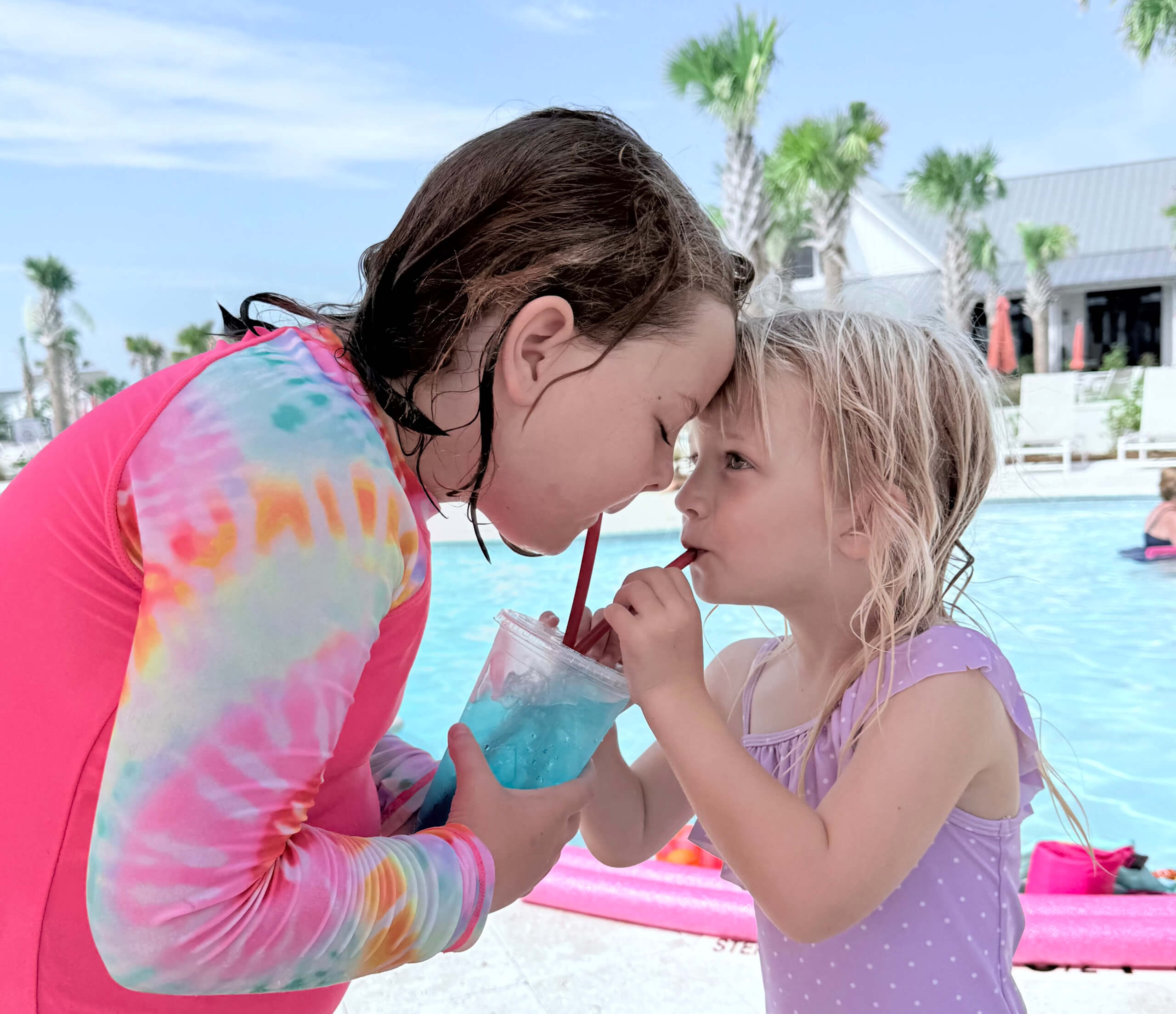
When Hailie’s adoption was finalized last year, she officially became the seventh child and final addition to our family. As our family changed, Chloe began asking more questions about her own story—especially about her birth mother.
Some of her questions were simple but carried a great deal of meaning:
- “Is my birth mom okay?”
- “What is her name?”
Those questions did not mean Chloe was unhappy in our family or that something was wrong. They were signs that she was growing, noticing, and trying to understand where she came from. As children mature, they often revisit their adoption stories with new questions and a deeper understanding of what adoption, separation, and family relationships mean.
That can be tender for parents. We love our children deeply, and it can be hard not to hear their questions as a sign that what we offer is somehow not enough. But a child’s curiosity about their birth family is not a rejection of the family they have today. It is often part of learning to hold their full identity with honesty.
Making Room for Every Question
I am especially grateful that we have a connection with Chloe’s Grammy. When I learn information that may be meaningful to Chloe, I try to hold onto it carefully and share what I can in ways that fit her age and understanding.
I cannot always give Chloe every answer she wants. There are things I do not know, things that may take time to understand, and things that may need to be explained differently as she grows. But I can make sure she knows that her questions are welcome and that the people who are part of her story matter to us too.
Children often ask questions at unexpected times: in the car, at bedtime, while looking through photographs, after seeing a sibling, or in the middle of an ordinary day. Some questions may feel easy to answer. Others may touch places of grief, confusion, or uncertainty, for them and for us.
We also know that some questions may become more complex as our girls grow older. A child may understand adoption differently at age eight than at age thirteen, and differently again as a young adult. We cannot take away every painful part of their story. But we can be present, listen without defensiveness, tell the truth with care, and help them carry what they learn.
One thing I am continuing to learn is this: I do not have to have every answer to be a safe place for my child’s questions.
What to Say When Adopted Children Ask About Their Birth Families
We can be honest without sharing more than a child is ready to understand.
We can say:
“That is a really important question.”
Or:
“I don’t know the answer to that right now, but I can try and find out and will always listen.”
We can remind our children that their birth family is part of their story, that asking questions is okay, and that they are deeply loved.
Sometimes a book can give children another way to explore these big ideas. Stories about adoption and foster care can help children see pieces of their own experiences reflected in a gentle, age-appropriate way and can open the door to conversations that might otherwise feel difficult to start. We’ve put together a collection of 10 children’s books about adoption and foster care that can help families talk about belonging, loss, family, and the many different ways families are formed.
As adoptive parents, these conversations can sometimes stir up unexpected feelings in us, too. When a child asks about their birth family, siblings, or life before adoption, it can be easy to wonder whether they are unhappy, whether we have done something wrong, or whether our love is enough.
But a child’s curiosity about their history is not a rejection of the family they have today.
It is often simply a child trying to understand the full story of who they are.
How to Respond When Your Child Has Questions About Adoption
When Questions Come Up
- Try not to take a child’s questions about their birth family personally. Wondering about a birth mom, birth dad, sibling, or earlier part of life does not mean they do not love you or feel grateful to be in your family.
- Remember that curiosity is healthy. Children are naturally trying to understand where they came from, who they resemble, why certain things happened, and how all the parts of their story connect.
- Listen first. Before rushing to answer, you might say, “Tell me more about what you are wondering,” or, “What made you think about that today?” Sometimes the question underneath the question is what they most need help expressing.
- Let them know there is no “wrong” question. A child should not have to protect an adoptive parent’s feelings in order to talk about their birth family or their past.
- It is okay to feel emotional privately. These conversations can touch tender places in a parent’s heart. Give yourself grace, talk with a trusted friend, spouse, counselor, or fellow adoptive parent if needed, but try to let your child experience you as calm, open, and safe.
Keep Answers Age Appropriate
When it comes to adoption and birth families, children do not need every detail all at once. Their understanding will grow as they do.
- Answer the question your child is asking now, rather than giving every detail you know. Children often return to the same topic as they grow, and each new stage may bring a different level of understanding.
- Use simple, truthful language. You do not need a perfect explanation. A short answer that is honest and gentle is often more helpful than a long answer that gives a child more information than they are ready to carry.
- It is okay to say, “I don’t know.” You might add, “I wish I knew that answer too,” or, “I will keep trying to learn what I can.”
- If you have information that is difficult, share it with care and at a pace that fits your child’s age, maturity, and emotional readiness. The goal is not secrecy; it is helping your child understand their story safely over time.
- Keep a place for information as you learn it. A notebook, memory box, life book, folder, or private letter collection can help preserve details, photos, names, questions, and memories for your child as they grow.
Reassure and Revisit
Children may need reassurance again and again as they grow and encounter new questions about adoption, birth families, siblings, and their own stories.
- Remind them often: “Your birth family is part of your story, and so are we. You never have to choose between loving them and loving us.”
- Reassure them that they belong. Children may need to hear this many times, especially after big questions, visits, milestones, moves, anniversaries, or changes in contact with birth relatives.
- Be willing to revisit the conversation later. You can say, “We can talk about this again anytime,” and then follow through when they bring it up.
- If you do not have an answer today, do not let that stop the conversation. Being present, listening carefully, and making room for the question can be just as meaningful as providing information.
We may not always know the perfect words, and we may not always have the answers our children are looking for. But we can keep showing up with honesty, gentleness, and the reassurance that every part of their story is welcome in our home.
Every Part of Their Story Matters
Adoption is a beautiful and meaningful part of a child’s story, but it does not erase the life, people, relationships, or losses that came before it.
For foster and adoptive families, conversations about adoption and birth families may happen again and again. The questions may change as children grow. Some seasons may feel light and celebratory; others may carry grief, longing, confusion, or a need for more information. Both can be true.
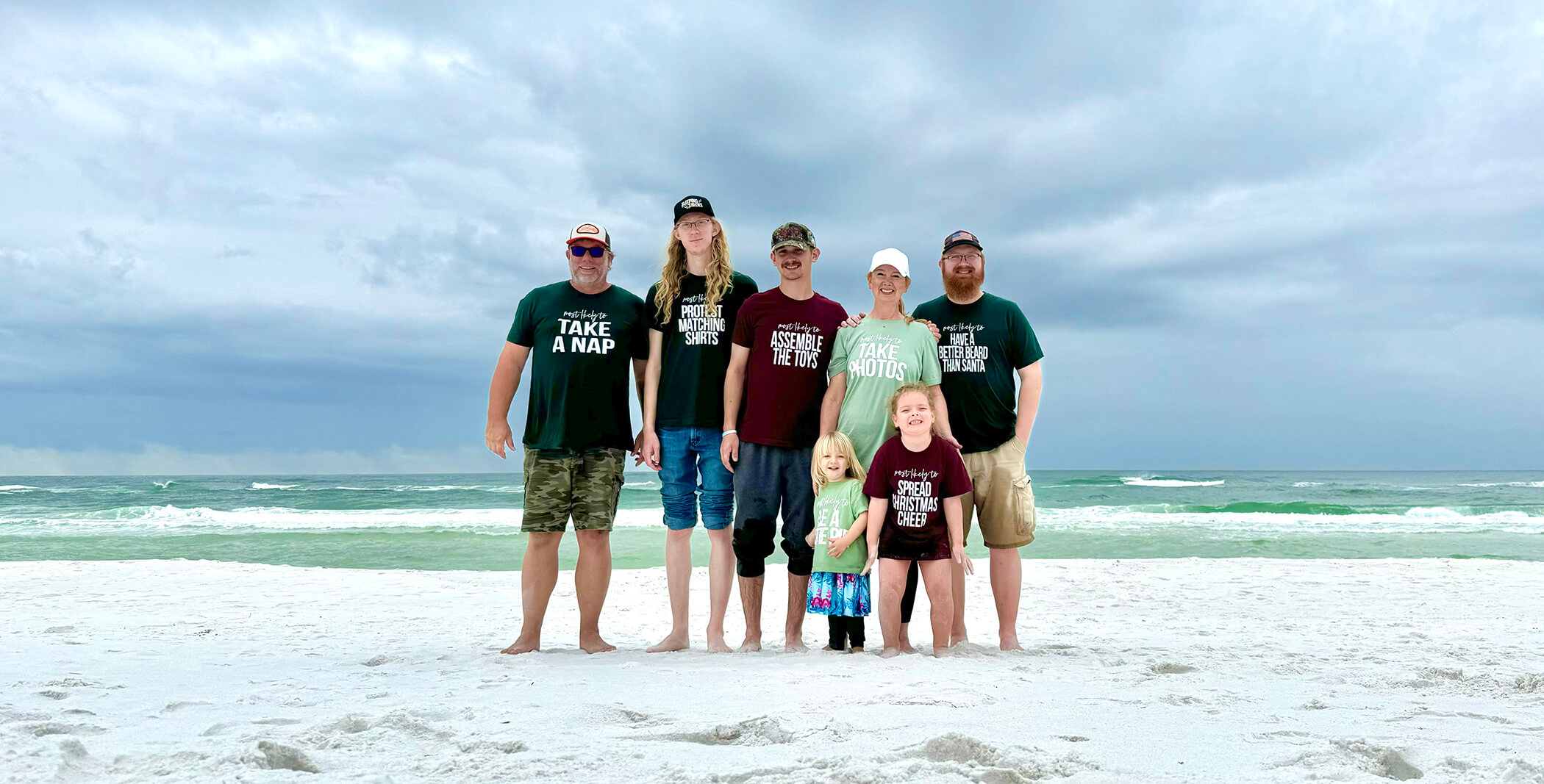
We celebrate the day Chloe and Hailie officially became Albrecht’s. We celebrate the joy of being their parents, the laughter in our home, and the family we are building together. And we also want them to know that they do not have to leave any part of themselves at the door to belong here.
The message we hope to keep giving them is simple:
You are loved.
You belong.
Your birth family matters.
And every part of your story is welcome here.
We may not always have the perfect words or every answer our children want. But we can be a safe place for the questions—and sometimes, that is exactly what our children need most.
Sign up for the Hope to Home newsletter to receive new stories and encouragement in your inbox. Together, we can keep spreading hope, one home, one heart, and one child at a time.